THINK ABOUTIT UFO|ENTITY SIGHTING REPORT
0216 BCE: Cannes, France Sighting
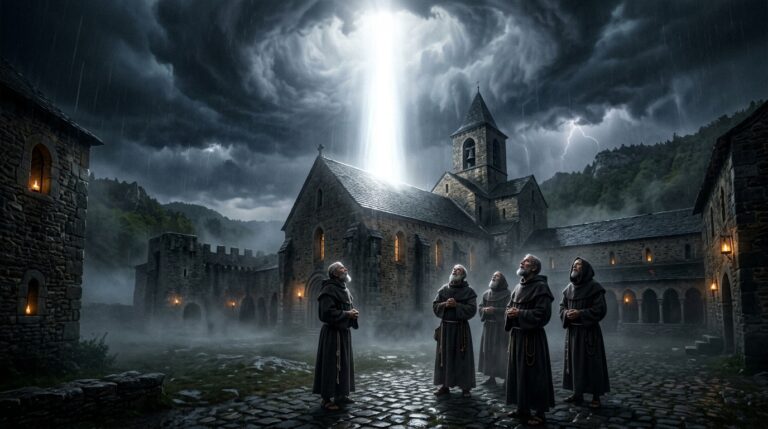
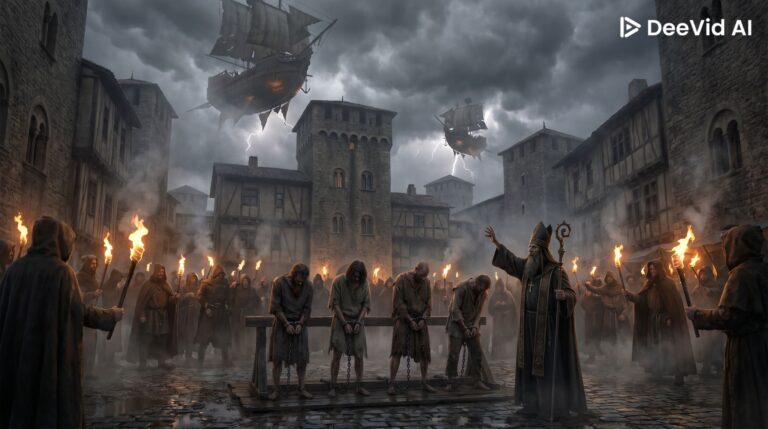
In 216 BCE, over the ancient coastal region of what is now Cannes in southern France, multiple witnesses looked up and saw something the ancient world had no name for — round objects and ship-shaped craft moving through the night sky, with occupants visible aboard them. The account survives through French researcher Pierre Vieroudy’s 1979 compilation of pre-modern aerial phenomena, drawn from ancient sources that recorded the sighting as a prodigy. At a time when Hannibal’s armies were crossing the Alps and the ancient world was consumed by war, something else entirely was operating in the skies over the Mediterranean coast — and it had crew.
Date: 216 BCE
Sighting Time: Not recorded
Day/Night: Night
Location: Cannes, France
Urban or Rural: Not recorded
No. of Entity(s): Multiple — occupants visible aboard craft
Entity Type: Unknown — described only as occupants
Entity Description: Occupants observed aboard ship-shaped aerial craft; no further physical description recorded
Hynek Classification: CE-III (Close Encounter III) Close observation with animate beings associated with the object.
Duration: Not recorded
No. of Object(s): Multiple
Size of Object(s): Not recorded
Distance to Object(s): Aerial — observed in the sky above the region
Shape of Object(s): Round objects and the shapes of ships
Color of Object(s): Not recorded
Number of Witnesses: Multiple
Special Features / Characteristics: Two distinct morphologies reported simultaneously — round objects and ship-shaped craft; occupants visible; one of the earliest recorded multi-object CE-III sightings in the Western European record; the ship morphology connects directly to the Magonia cloud ship accounts documented over Lyons in 815 CE
Case Status: Unexplained
Source: Pierre Vieroudy 1979; drawn from ancient French regional historical records
Summary/Description: Multiple witnesses over the Cannes region of France in 216 BCE observed both round objects and ship-shaped aerial craft with visible occupants. Documented by French researcher Pierre Vieroudy in 1979 from ancient sources, this BCE-era sighting represents one of the earliest recorded multi-object CE-III encounters in the French historical record — notable for the dual object morphology and the clear presence of craft occupants visible to ground witnesses.
Related Cases: 815 CE Lyons France Magonia Cloud Ships Sighting | 214 CE Hadria Italy Fiery Bridge Sighting | BCE Aerial Phenomena Archive
DETAILED REPORT:
The year is 216 BCE. On the Mediterranean coast of what will one day be called France, the ancient world is in crisis. Hannibal Barca has crossed the Alps with his army and elephants, and the Second Punic War is tearing the known world apart. Roman legions are mobilizing. The coastline of the Mediterranean is on edge.
And above the region of what is now Cannes, multiple witnesses are looking up at something that has nothing to do with Carthage or Rome.
Round objects. Ship-shaped craft. And inside the ships — occupants.
The account comes to us through French researcher Pierre Vieroudy, whose 1979 compilation of pre-modern French aerial phenomena drew on ancient regional historical records that have not survived in full. What Vieroudy preserved is precise in its simplicity: round objects and the shapes of ships with occupants were observed over the region.
Three elements. Two object types. One consistent detail that elevates this beyond a lights-in-the-sky report — the occupants.
The presence of visible craft occupants is a threshold marker in UAP research. It moves a sighting from an observed aerial phenomenon into direct entity contact territory. At Cannes in 216 BCE, witnesses did not simply see lights or strange objects in the sky. They saw beings inside structured craft. That is a CE-III encounter by any classification standard, documented more than two thousand years before J. Allen Hynek developed the terminology to describe it.
The dual morphology — round objects and ship-shaped craft simultaneously — is also significant. It appears in other ancient multi-witness accounts and suggests either a mixed fleet of different craft types or witnesses describing the same objects from different angles and distances. Both interpretations are consistent with what the modern UAP record documents in large-scale sighting events.
The location is worth noting. The Cannes region sits on the Mediterranean coast of southern France — a maritime zone that appears repeatedly in the European UAP record across centuries. The 815 CE Magonia account from Lyons is less than 300 kilometers to the north. The 1608 Baie des Anges sighting at Nice is practically adjacent. The Mediterranean coastal corridor of southern France has one of the densest concentrations of historical UAP activity in the European record.
RESEARCHER’S NOTES: The Cannes BCE Sighting — Round Objects, Ship-Craft, and the Oldest CE-III in the French Record
- Dual Object Morphology: The simultaneous reporting of both round objects and ship-shaped craft is one of the most analytically significant features of this case. Modern UAP research consistently documents mixed-type sightings in large-scale events — smaller spherical objects operating in conjunction with larger structured craft. At Cannes in 216 BCE this pattern is already present and documented.
- Visible Occupants: The explicit reference to occupants observed aboard the ship-shaped craft moves this case firmly into CE-III territory. Ancient records rarely specify the presence of beings inside aerial objects — when they do, the detail is typically preserved because it was the most remarkable and memorable element of the encounter for witnesses.
- Mediterranean Coastal Concentration: The Cannes region sits within a geographic corridor of southern France that appears repeatedly across centuries of UAP activity in the European record. The proximity to the Lyons Magonia accounts, the Nice 1608 sightings, and numerous other French coastal cases suggests a persistent pattern of aerial activity along this coastline that predates recorded history and continues through the modern era.
- BCE Era Documentation Significance: Sighting reports from the BCE era are rare in the archive — not because anomalous aerial activity was rare, but because documentation systems were limited and survival of records across two millennia is exceptional. Every BCE-era account that reaches the archive represents a remarkable chain of preservation from witness observation through ancient record keeping through modern research compilation.
The Cannes sighting of 216 BCE is one of the oldest CE-III encounters in the French historical record — round objects and crewed ship-shaped craft observed over the Mediterranean coast at a time when the ancient world was consumed by war and had no framework for what its witnesses were seeing. Pierre Vieroudy preserved it. The archive holds it. The pattern it represents — multiple craft types, visible occupants, Mediterranean coastal location — is the same pattern documented in this region across the next two thousand years of recorded history. Whatever was operating over Cannes in 216 BCE did not stop when the Punic Wars ended.