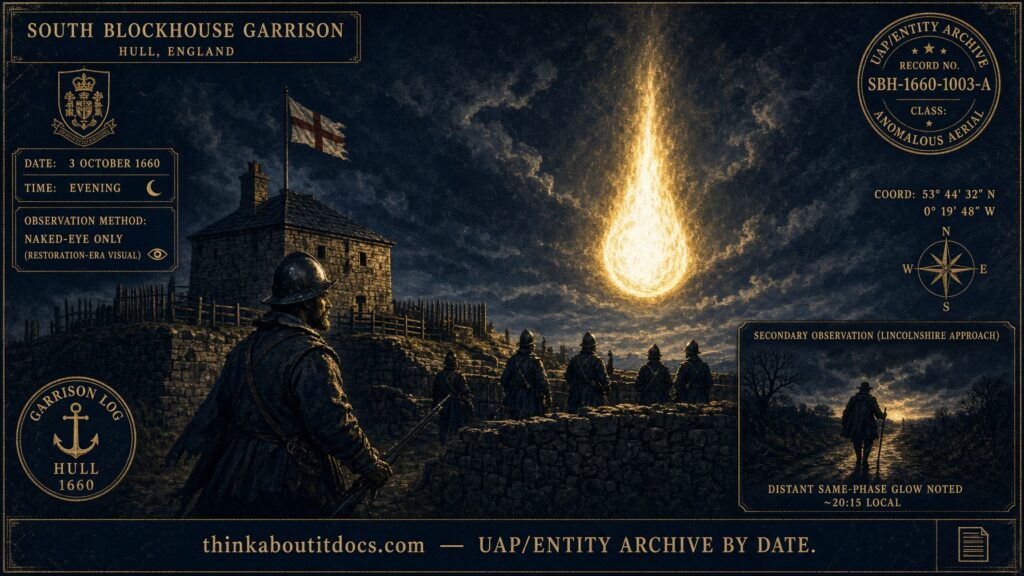
Bright enough to read by — the Hull light of October 1660
THINK ABOUTIT UFO|UAP SIGHTINGS REPORT
1660: The Hull Fiery Object | Bright Enough to Read By
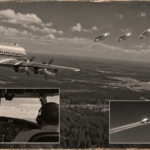
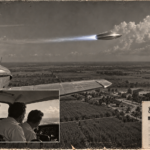
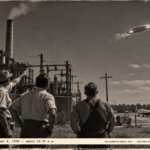
A large fiery object, tapering to a point at one end and trailing a narrow stream of light, hangs over Hull’s South Blockhouse for half an hour — bright enough that the soldiers on guard could read fine print or pick a pin up off the ground by its light alone. A traveler approaching Hull from Lincolnshire that same night, with no knowledge of what the garrison had seen, independently reported the same light guiding his way through an otherwise pitch-dark night.
Date: October 3, 1660
Sighting Time: Evening
Day/Night: Night
Location: Hull, England (South Blockhouse garrison), with a corroborating sighting from the Lincolnshire approach road
Urban or Rural: Urban garrison/port town, with a secondary rural approach-road sighting
No. of Entity(‘s): Not Applicable
Entity Type: Not Applicable
Entity Description: Not Applicable
Hynek Classification: NL (Nocturnal Light)
Duration: Half an hour (garrison sighting); duration of the Lincolnshire road sighting not separately recorded
No. of Object(s): One
Description of the Object(s): A large fiery object, tapering to a point at one end, leaving a narrow stream of light trailing behind it
Shape of Object(s): Tapered/tail-like, with a narrow trailing stream
Size of Object(s): Not recorded in specific measurement, described as “large”
Color of Object(s): Fiery, extremely bright
Distance to Object(s): Not recorded
Height & Speed: Not recorded — the object appears to have remained visible in place rather than rapidly transiting
Number of Witnesses: Multiple soldiers on guard at the South Blockhouse; a separate unnamed traveler from Lincolnshire; the sighting was further corroborated by letters from “several eminent men in Hull” and London residents who had visited Hull and spoken with the original witnesses
Special Features/Characteristics: The object’s light was bright enough for soldiers to read fine print or locate a pin on the ground by it alone; independently corroborated the same night by a traveler on the Lincolnshire approach road who had no prior knowledge of the garrison’s sighting
Case Status: Unexplained
Source: Mirabilis Annus, or, The Year of Prodigies and Wonders (London, 1661)
Summary/Description: The soldiers on guard at the South Blockhouse in Hull saw a large fiery object tapering off at one end and leaving a narrow stream behind. It was so brilliant that they could read fine print or take up a pin from the ground by its light. This object was in sight for half an hour. Someone approaching Hull that same night, coming from Lincolnshire, independently confirmed the first report, stating: “He saw a very great light in the sky, whereby he could perfectly discern his way, though it was exceedingly dark.” The chronicle notes the account was further attested by letters from several eminent men in Hull who had spoken directly with the eyewitnesses, as well as by London residents who had since visited Hull and received credible information about the sighting firsthand.
Related Cases: 1660: Ilford, Essex aerial dogfight
Detailed Report
Like the Ilford dogfight recorded seven weeks later, this account comes from Mirabilis Annus, but it is distinguished by an unusually strong multi-source corroboration structure that the pamphlet’s own compiler took care to document. Rather than resting on a single account, the sighting is independently confirmed by a second, geographically separate witness (the Lincolnshire traveler) who had no apparent knowledge of the garrison’s observation, and the compiler explicitly states the report was further verified through correspondence with named “eminent men in Hull” and cross-checked by London residents who had visited Hull afterward and spoken with the original witnesses directly — an unusually rigorous verification chain for a 17th-century sighting account.
The specific claim of reading fine print or locating a pin by the object’s light is a notable evidentiary detail — it offers a concrete, testable standard of brightness rather than a vague impressionistic description, and its inclusion in both the garrison account and (implicitly) the traveler’s account of discerning his way in otherwise total darkness suggests the light’s intensity was a genuinely striking, specific feature of the observed phenomenon rather than rhetorical embellishment added later.
RESEARCHER’S NOTES
The Hull Light — England 1660 and Independent Corroboration From Two Directions
- Source chain assessment: This is one of the most rigorously corroborated single-night sightings in the Mirabilis Annus collection — two geographically separated, apparently unconnected witness groups (a garrison and a lone traveler) reporting the same phenomenon on the same night, further verified through documented correspondence with named local figures.
- Physical evidence / evidentiary weight: The specific, testable brightness claim (reading fine print, locating a pin by the object’s light) provides a concrete standard of intensity uncommon in period accounts, strengthening the account’s evidentiary weight relative to vaguer contemporary “great light” descriptions.
- Classification issues / corrections: A bright meteor or fireball is the most parsimonious natural candidate for a brief, tapering, trailing light, but the reported half-hour duration substantially exceeds the typical few-second duration of even a very bright meteor, which is why the case remains Unexplained rather than Explained.
- Pattern context / comparative cases: This sighting falls within the same autumn 1660 English cluster as the Ilford, Essex dogfight and the Westminster fire-dropping cloud, all recorded within a matter of weeks of each other in the Mirabilis Annus compilation.
The Hull light stands out among Mirabilis Annus entries for the specific rigor of its corroboration — not a single dramatic account but two independent observations from different directions on the same night, cross-checked afterward through named local correspondents, giving this half-hour sighting an evidentiary structure that few 17th-century reports anywhere can match.
“So brilliant that they could read fine print or take up a pin from the ground by its light.”