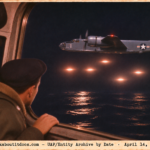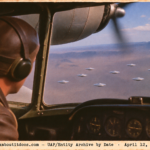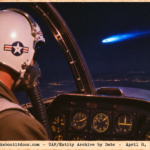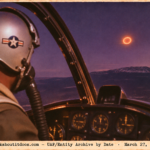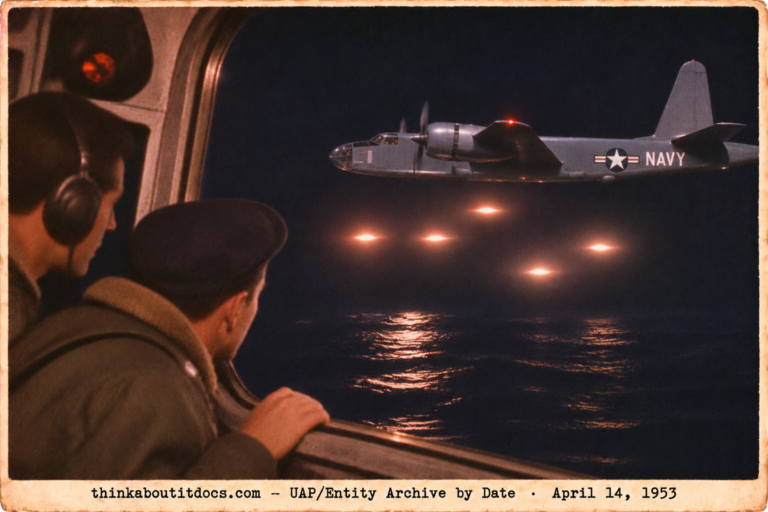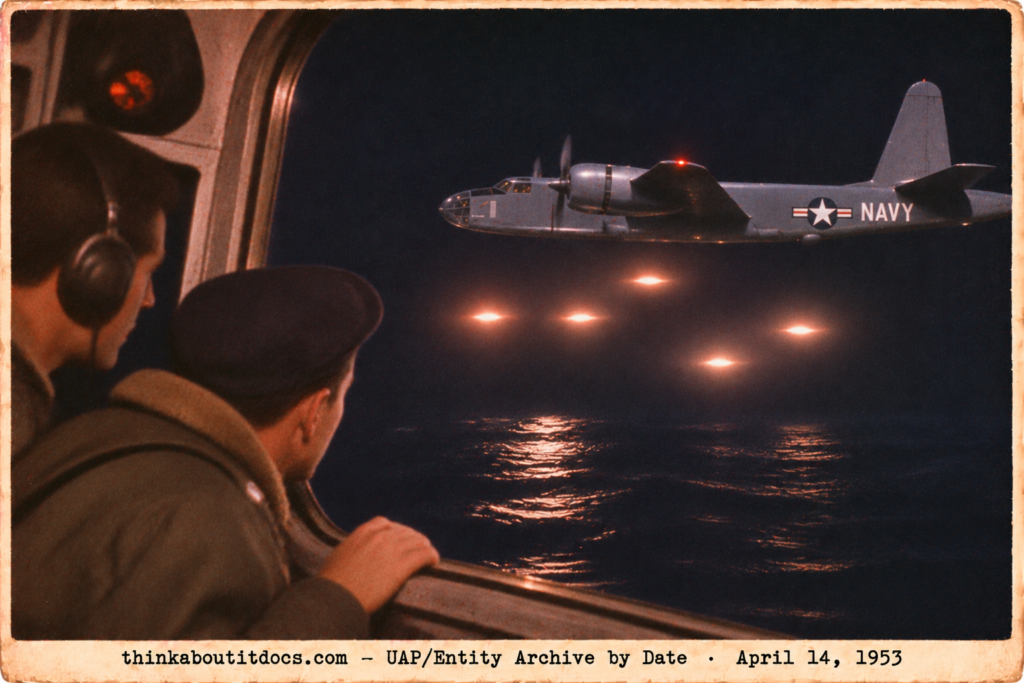
April 14, 1953: about ten objects shadow a Navy P2V.
THINK ABOUTIT UFO|UAP SIGHTINGS REPORT
1953: The Sea of Japan P2V Neptune Shadowed by Lights
Over the Sea of Japan about 200 miles east of Vladivostok, an unarmed Navy P2V Neptune on an electronic-intelligence mission was approached by lights that flashed what may have been a coded letter, then shadowed by two objects, then five, then about ten.
For more than an hour they made at least 70 non-firing passes while the aircraft flew as low as about 400 feet, and radar and direction-finding gear tracked them.
Date: April 14, 1953
Sighting Time: 9:23-11:50 p.m.
Day/Night: Night
Location: Sea of Japan, about 200 miles east of Vladivostok
Urban or Rural: Rural (open sea)
No. of Entity(‘s): 0
Entity Type: Not Applicable
Entity Description: Not Applicable
Hynek Classification: RV (Radar-Visual)
Duration: 2 hours 27 minutes in all; about 1 hour 7 minutes of close passes (about 10:43 to 11:50 p.m.)
No. of Object(s): About 10
Description of the Object(s): Lights that shadowed the aircraft, made repeated passes and finally formed a group and left
Shape/Size/Color of Object(s): Not described beyond lights; size not given
Distance to Object(s): Closed to about 3 miles at first; later passes came close, many from behind and beneath the aircraft
Height & Speed: Aircraft at about 9,000 ft, descending to about 400 ft; object speeds not given
Number of Witnesses: About 10 (the P2V crew)
Special Features/Characteristics: Radar tracked the objects; at least three direction-finding cuts came from radar-confirmed objects; the summary lists signal characteristics of 2790 MHz, 500-550 Hz pulse repetition and 1-1.5 microsecond pulse width; one object may have directed the others
Case Status: Unidentified: the summary gives no conventional explanation
Source: Sparks, Brad, Blue Book Unknowns catalogue summary, as reproduced on Project 1947
Summary/Description: An unarmed Navy Pacific Fleet P2V Neptune, likely an ELINT variant, was shadowed over the Sea of Japan by growing numbers of unidentified objects that made at least 70 non-firing passes before leaving as a group.
Related Cases: Sparks links it to similar cases in 1950, March 1953 and a 1957 RB-47 case; the March 14, 1953 Sea of Japan P2V report on the March archive is a separate record, and the sources do not say whether the two are related
Detailed Report
On April 14, 1953 a U.S. Navy Pacific Fleet P2V Neptune, described as likely an electronic-intelligence variant, was flying unarmed at about 9,000 feet over the Sea of Japan, roughly 200 miles east of Vladivostok.
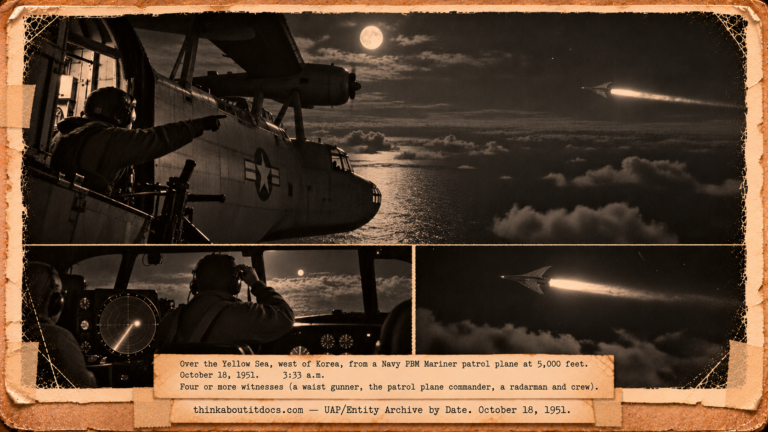
From about 9:23 p.m. the crew saw two lights flashing what may have been a coded letter. Two unidentified aircraft then shadowed the P2V, and three more joined. The P2V descended and the objects closed to about 3 miles. At least five more joined later, for about ten in all.
From about 10:43 p.m. until about 11:50 p.m., while the P2V flew at about 400 feet, the objects made at least 70 non-firing passes, many from behind and passing beneath it. They then formed a group and left.
Radar tracked the objects, and the summary says one may have directed the others. Direction-finding cuts were taken, at least three from objects confirmed by radar. The listed signal characteristics are 2790 MHz, a pulse repetition rate of 500 to 550 Hz and a pulse width of 1 to 1.5 microseconds. The summary gives no conventional explanation.
RESEARCHER’S NOTES
The Sea of Japan P2V: Radar, Direction Finding and 70 Passes
- Trained crew, instruments running: About ten crew members saw the objects while the aircraft carried ELINT gear, which is why direction-finding data exist.
- Signal data: The frequency and pulse figures are from Sparks’ summary; the raw logs are not reproduced here.
- The “directing” object: The note that one object may have directed the others is Sparks’ summary wording and an interpretation.
- Possible duplicate: Sparks cites a March 1953 case as similar. The archive’s March 14 P2V entry is separate, but please confirm the two are not one incident misdated.
- Location: The position is in international waters near Soviet territory, which may explain the sparse official record.
A two-and-a-half-hour episode with about ten witnesses, radar tracks and direction-finding cuts makes this one of April 1953’s strongest cases, and it survives only in a Blue Book unknowns summary rather than the original file.